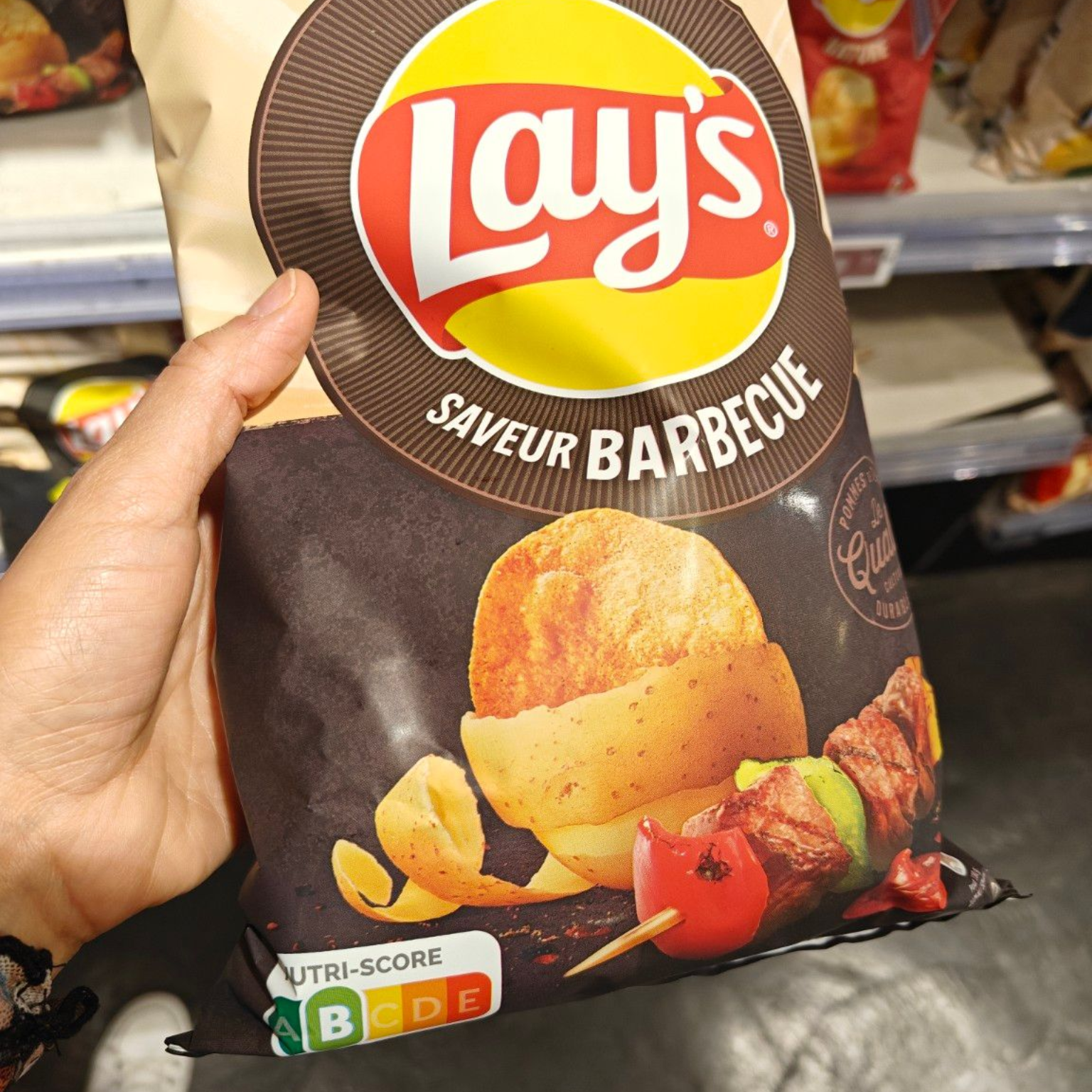
While traveling through Europe, one thing that immediately caught my attention as a nutrition coach was how simple and transparent their food labels were. From packaged chicken and ham to chips and bread, almost every product displayed a colorful front label with large, easy-to-read letters labeled A, B, C, D, or E, known as the Nutri-Score.
What fascinated me most was how effortless it was for the average shopper to understand what they were buying. You didn’t have to be a nutrition expert or spend several minutes analyzing every ingredient line to spot the healthier choice. The color-coded system practically guided you through the store. I watched people casually pick up two similar items, glance at the front labels, and confidently choose the one with the better grade. It was simple, quick, and effective. There was no second-guessing, no confusion, and no need to decipher complicated numbers or nutrition jargon.
As I continued shopping, I noticed how this small change in labeling completely shifted the shopping experience. It wasn’t about restriction or guilt, but rather about awareness and empowerment. The Nutri-Score gave shoppers the ability to make informed decisions instantly, and that awareness naturally led to healthier habits. People weren’t overthinking their choices or trying to calculate macros in their heads; they were guided by a system that made nutrition visual and approachable.
It made me think about how different grocery shopping could feel in the U.S. if we had this same level of clarity. In America, we often rely on marketing phrases like “low-fat,” “all-natural,” or “gluten-free,” which can be misleading. We flip packages over to read the nutrition facts, only to find ourselves decoding grams, percentages, and serving sizes that vary from brand to brand. The process can be overwhelming, especially for someone trying to eat healthier but not sure where to start.
In contrast, Europe makes it incredibly easy to identify a food’s overall nutritional quality at a glance. The Nutri-Score removes the guesswork and allows anyone, from a busy parent to a traveler trying to make better choices, to navigate the grocery aisles with confidence. It’s a simple system with a powerful impact, and as a nutrition coach, I couldn’t help but imagine how transformative it could be if more countries adopted something similar.
In this post, I’ll break down what the Nutri-Score means, how it works, what its pros and cons are, and how we can apply these same principles when grocery shopping here in the U.S. to make better, more informed choices without feeling overwhelmed.
🧠 What Is the Nutri-Score?
⚙️ How It’s Calculated
Nutri-Score is based on a formula that considers both positive and negative nutrients per 100 grams of a product.
*Positive points are awarded for fiber, protein, fruits, vegetables, legumes, and nuts.
*Negative points are assigned for calories, sugar, saturated fat, and sodium.
The final score is the balance between the positive and negative points, which determines the letter grade. For example, a plain low-fat yogurt with little sugar and plenty of protein might score an A or B. A processed ham or chips high in sodium and saturated fat might receive a D or E. This system gives shoppers a quick, color-coded summary of how nutrient-dense a product really is.
What I Observed During My Trip
As I walked through grocery stores in France and Italy, I noticed how visibly consistent the
Nutri-Score was. It wasn’t hidden in fine print; it was right on the front of each package, usually near the brand logo.
A few examples stood out to me...
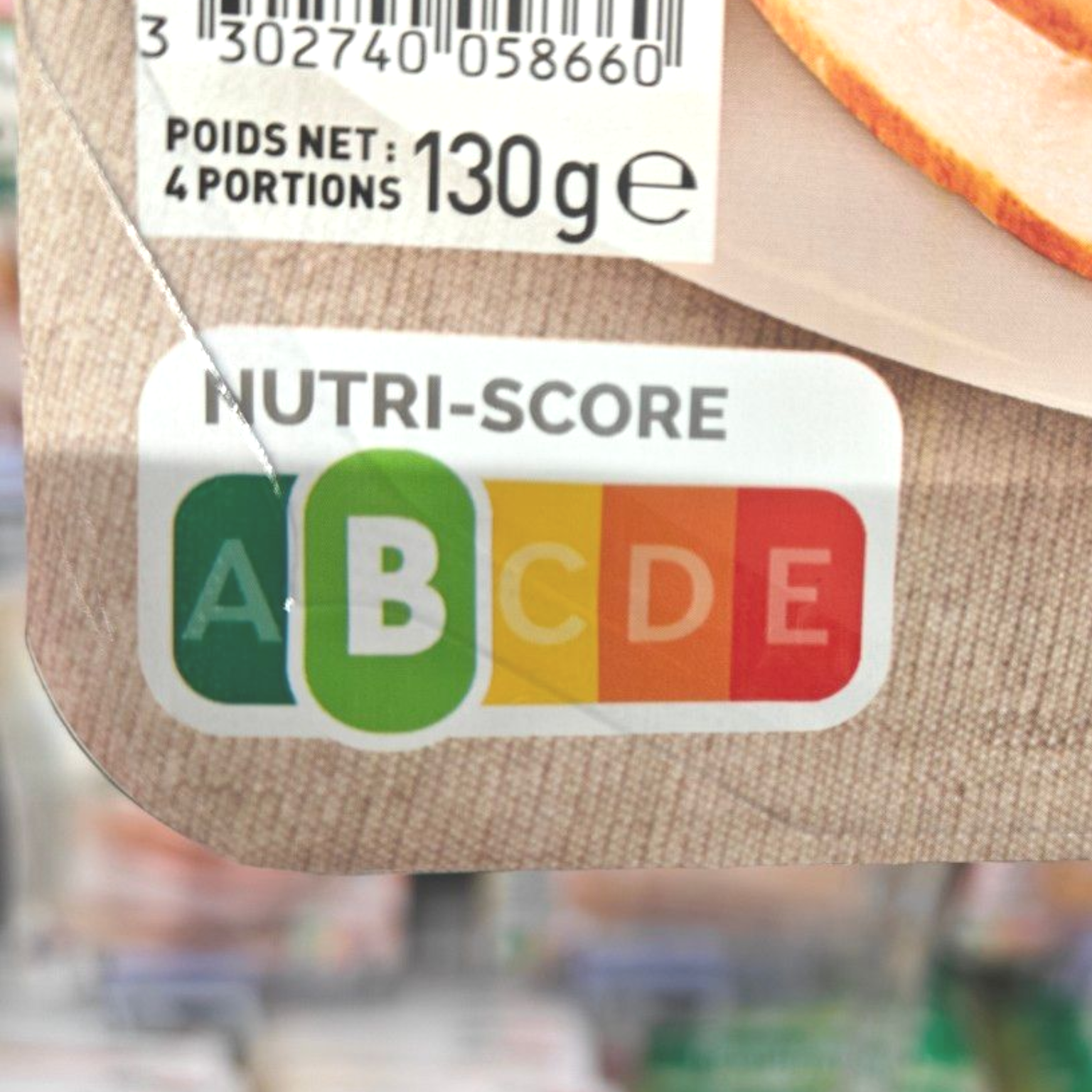
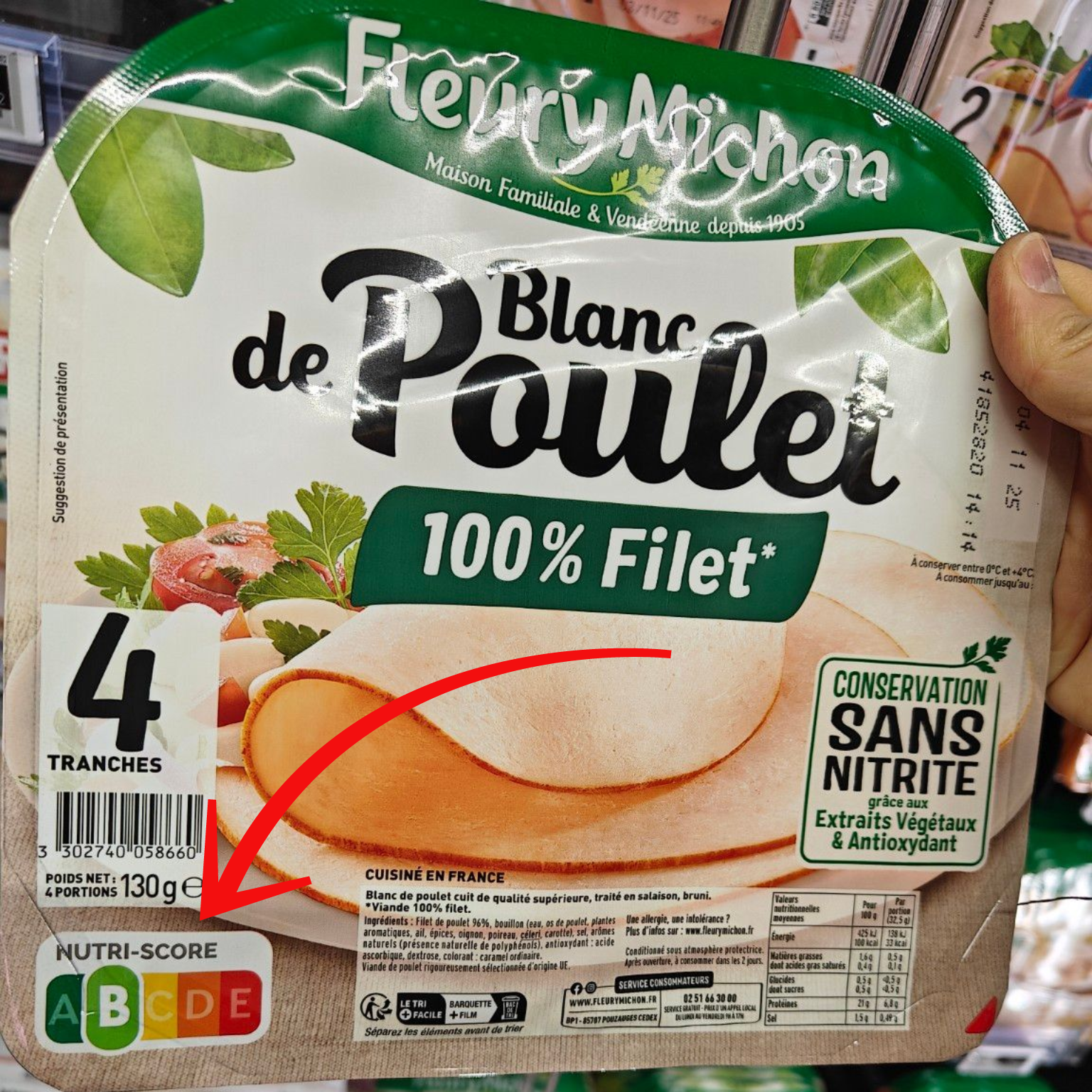
- “100% Filet Blanc de Poulet” chicken breast earned a Nutri-Score
B for being high in protein and low in fat.
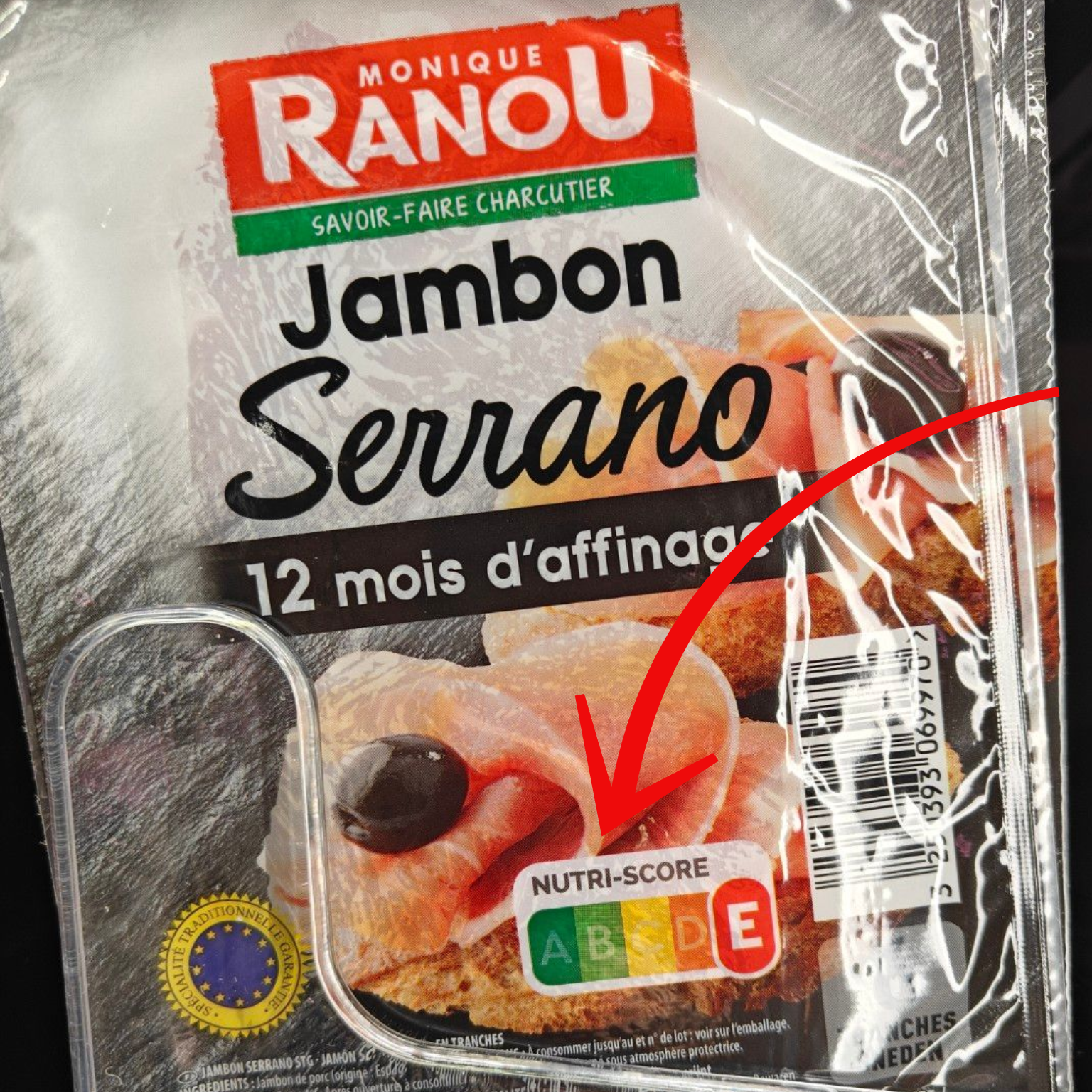
- Serrano ham received a Nutri-Score
E due to their high sodium and saturated fat content.
- Lay’s barbecue chips scored a
Nutri-Score
B because they’re made mainly from potatoes, use lower-saturated-fat oils, and are cleaner than most chips in the same category.
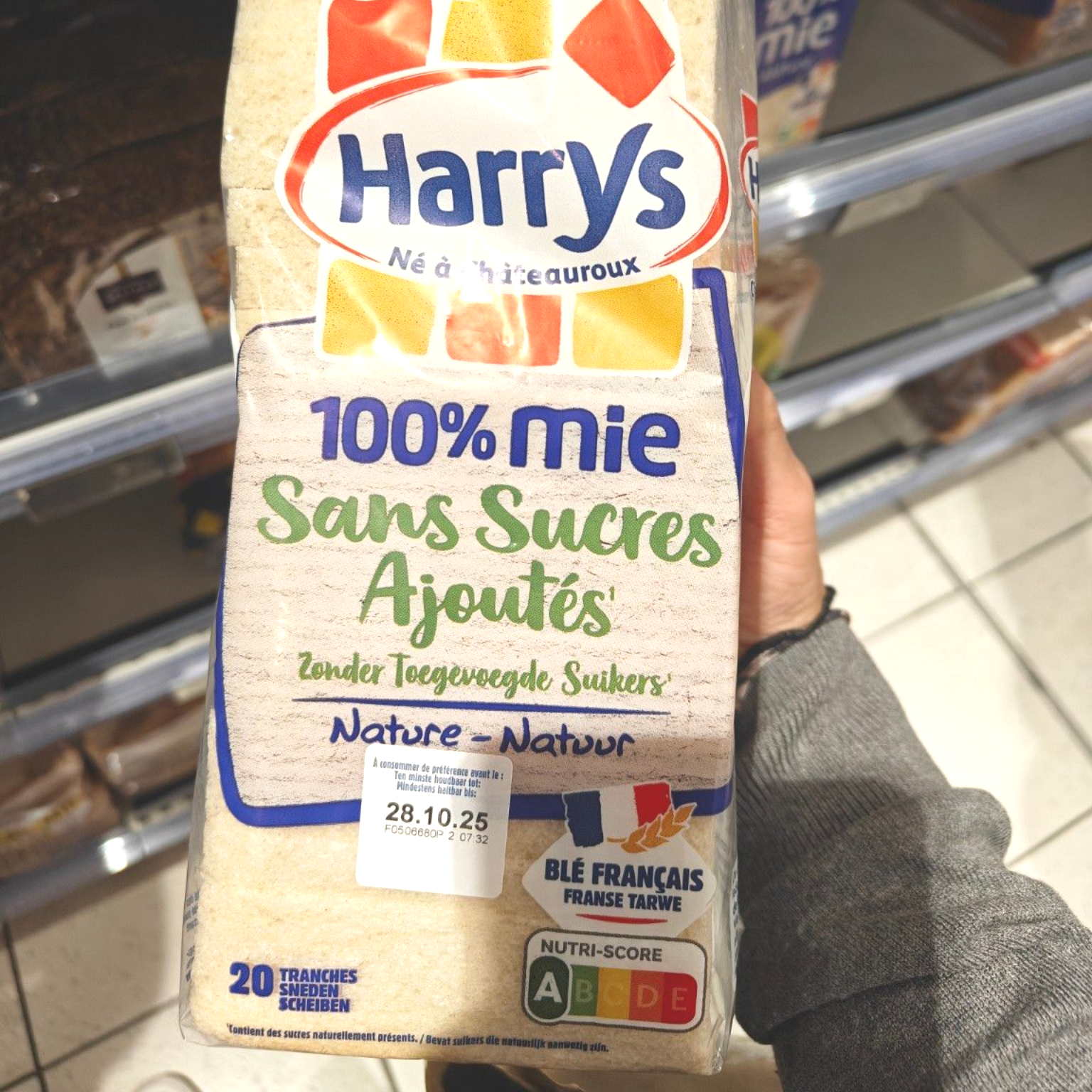
- Harry’s “Sans Sucres Ajoutés” bread scored an
A because it has no added sugar, low saturated fat, simple ingredients, and a better nutrient balance than traditional white bread.
Even snack aisles reflected this honesty. It was refreshing to see a bag of chips openly labeled “D,” instead of hiding behind marketing terms like “natural,” “baked,” or “gluten-free.”
Why Europe’s System Works
As a coach, what I love most about Nutri-Score is that it does the heavy lifting for consumers. Here’s why it works so well:
It’s visual. People respond better to visuals than numbers. The color gradient from green to red helps anyone, even kids, quickly grasp what’s healthier.
It simplifies decision-making. Instead of obsessing over calories or grams of sugar, shoppers can look for an A or B rating as a shorthand for nutrient density.
It creates accountability for brands. Because the Nutri-Score is visible, food manufacturers have an incentive to improve their formulas by reducing sodium or sugar to earn better grades.
It’s consistent across food types. Whether you’re buying cereal, deli meat, or chips, the same scoring method applies, which makes comparisons much easier.
Why the U.S. Could Benefit From a Similar System
In the U.S., food labeling can be confusing, not because the information isn’t there, but because it’s buried. Many people focus only on calories instead of nutrient quality, overlook hidden sugars or sodium, and struggle to compare products in the same category.
A simple, standardized, color-coded system could make healthy choices far more accessible and transparent. Until that happens, we can learn from the Nutri-Score and use its logic to improve how we read American labels.
🥕 How to Apply the Nutri-Score Mindset in the U.S
Even without the official system, you can use the same principles to evaluate your groceries.
1. Look at ingredients first, not calories.
Shorter ingredient lists usually mean less processing and fewer additives.
2. Watch sodium, saturated fat, and added sugars.
These are the “negative points” that would lower a Nutri-Score.
3. Prioritize fiber and protein.
These are the “positive points” that increase fullness and balance blood sugar.
4. Compare within the same category.
Don’t compare chips to yogurt; compare chips to other chips, or yogurts to other yogurts.
5. Aim for more “A and B” foods daily.
Build your meals primarily from foods that would score green, such as vegetables, fruit, lean protein, legumes, and whole grains, and let “D or E” foods be occasional treats.
6. Be label-curious.
Next time you shop, spend a few extra minutes comparing products. Ask yourself which one aligns more closely with a high Nutri-Score pattern.
🧩 The Limitations of Nutri-Score
Like any system, Nutri-Score isn’t perfect. It doesn’t account for processing methods or ingredient quality, such as artificial additives versus natural ones. It also rates foods individually rather than as part of an overall diet, and some nutrient-dense foods like olive oil may score lower simply because of higher fat content.
It’s a great starting point, but it should never replace nutritional awareness or balance.
💡 What This Means for You
Whether your goal is to lose weight, lower cholesterol, or simply improve your relationship with food, the Nutri-Score concept highlights one truth: nutrition should be simple and visual, not confusing or restrictive.
Imagine how much easier your health journey could feel if your food choices came with quick, color-coded guidance like this. No tracking apps, no calorie math, just clarity.
That’s exactly what I help my clients achieve, clarity, structure, and confidence around food choices.
❤️ How I Can Help You Simplify Nutrition
When I work with
clients, I use a practical, sustainable approach to nutrition that’s similar to the Nutri-Score system, but personalized to your life and goals.
I’ll help you learn how to read labels the right way so grocery shopping feels simple instead of stressful. You’ll learn how to build balanced meals that support your energy, metabolism, and body composition goals. I’ll show you how to reduce processed food intake without eliminating your favorite snacks by using a “majority fresh” method similar to how people eat abroad. You’ll make confident food swaps by understanding nutrient quality and create sustainable results that last.
If you’re tired of feeling overwhelmed by labels or unsure which products are truly healthy, I can help you turn that confusion into clarity. Together we’ll simplify nutrition so it finally feels doable and enjoyable.
👉
Schedule a free discovery call with me to start learning how to make healthy choices feel effortless.