The Lift Healthy Blog
This page was created to be a resource for you.
It provides info on how we can all lift and live healthy!
My Newest Blog Post
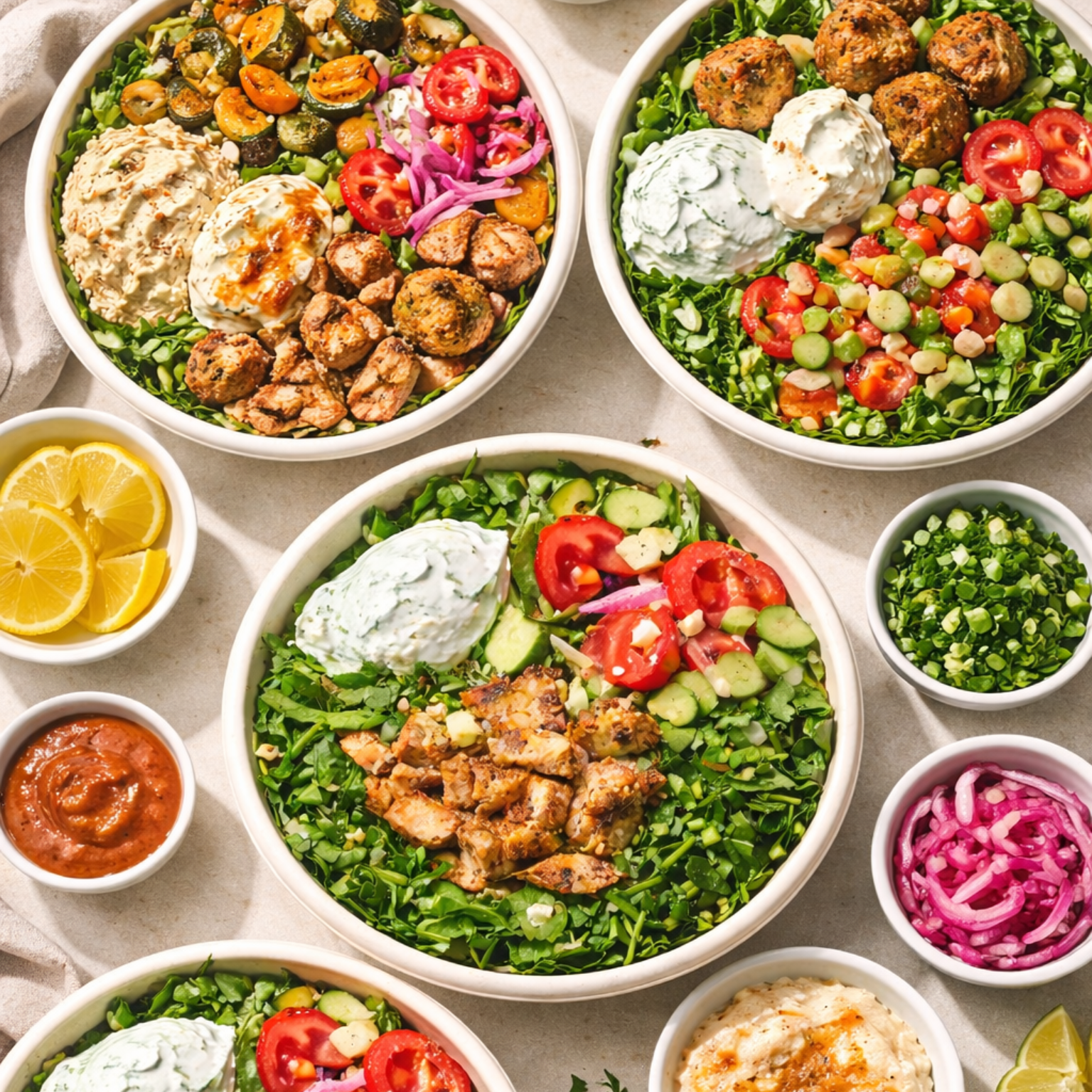
Discover macro-friendly CAVA meal ideas with calories and protein included. The best CAVA bowls for weight loss, muscle building, and balanced eating.
Nutrition Suggestions
Protein, fiber, carb, fats, etc....
Fitness Suggestions
Fitness plans, exercises, recommendations, etc...
Recipes
Vegetarian, Vegan, Protein rich, etc...
Discover macro-friendly CAVA meal ideas with calories and protein included. The best CAVA bowls for weight loss, muscle building, and balanced eating.
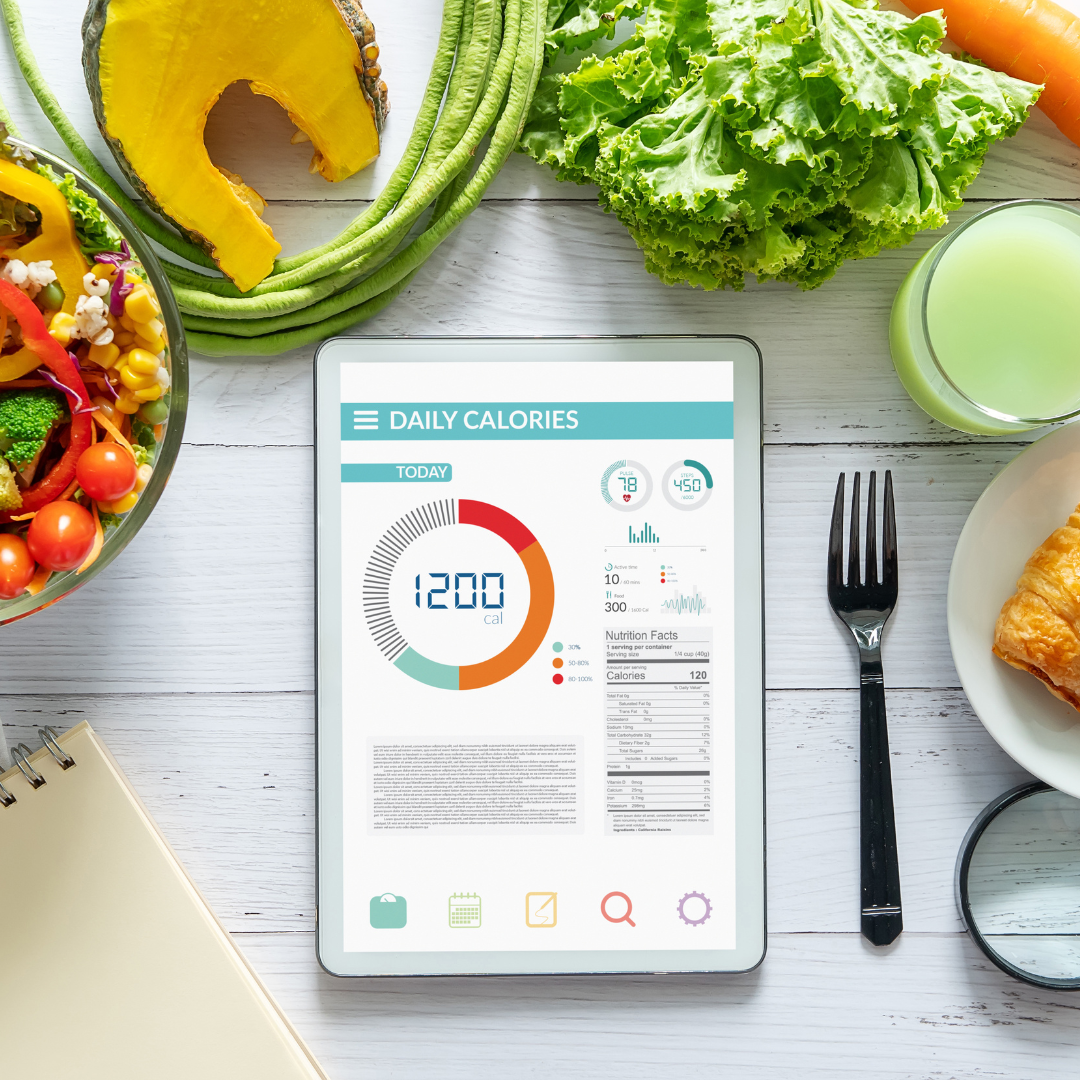
Learn how to lose weight without tracking calories by focusing on protein, portion control, fiber, and simple habits that actually last
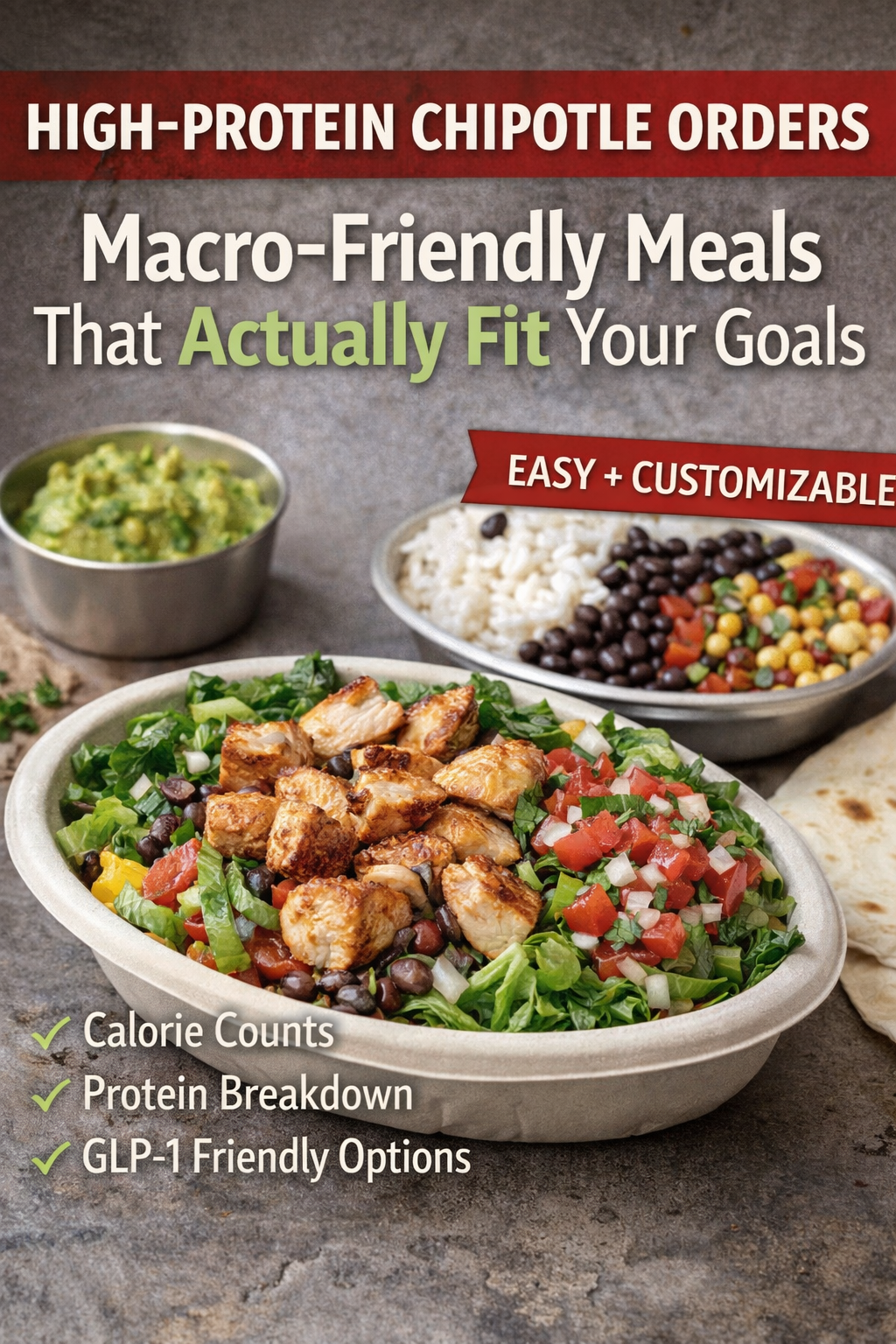
Discover high-protein, macro-friendly Chipotle orders for fat loss, muscle gain, and GLP-1 support. Calories, protein counts, customization tips, and coaching guidance included.

Learn what the Nutri-Score label means, how it works, and how you can use its principles to make smarter food choices in the U.S. with Nutrition Coach Jessica Chambers.

Diet decisions can be daunting, can't they? You're constantly bombarded with new trends each promising better health, effortless weight loss, or both. From the meat-centric Paleo diet to the plant-based Vegan lifestyle, from the high-fat, low-carb Keto regimen to the balanced Mediterranean approach, or even the timely strategy of Intermittent Fasting - each diet trend has its unique set of benefits and challenges. But how do you know which one is right for you? Let's navigate this nutritional maze together, as we dissect and discuss the pros and cons of the most popular diet trends. Curious to find out more? Stay with us... Key Takeaways The Paleo Diet emphasizes lean meats, fish, fruits, vegetables, nuts, and seeds while excluding grains, legumes, and dairy. It may help with inflammation reduction, but nutritional deficiencies are debated. Thorough research and consultation with a dietitian are recommended. The Vegan Lifestyle reduces water usage, deforestation, and greenhouse gas emissions. It has lower risks of heart disease and cancer, improved kidney function, and blood sugar control. However, potential nutrient deficiencies in Vitamin B12, Iron, and Omega-3 fatty acids need to be addressed through meal planning and fortified foods or supplements. The Keto Diet focuses on weight loss and improved brain function through reducing carbohydrate intake and increasing fat consumption. It enters a metabolic state called ketosis for fat burning. Transitioning may cause temporary symptoms, but benefits include weight loss, improved brain function, potential reduction in epilepsy seizures, and lower risk of certain cancers. The Mediterranean Diet promotes heart health and longevity by emphasizing olive oil, seafood, fruits, vegetables, and whole grains. Olive oil contains heart-healthy fats and antioxidants. However, it can be expensive and may not be suitable for those allergic to fish or dislike its taste. Understanding the Paleo Diet Often, you might find yourself curious about the Paleo diet, a popular meal plan that's based on the presumed dietary habits of our ancient ancestors. This regimen, often referred to as 'Caveman Nutrition', is grounded in the belief that our bodies are best adapted to the foods that were available to us before the advent of agriculture and processed foods. The Paleo diet primarily includes lean meats, fish, fruits, vegetables, nuts, and seeds—foods that could've been obtained through hunting and gathering. You might think it's a meat-centric diet, but that's one of the common Paleo misconceptions. In fact, a balanced Paleo diet emphasizes fruits and vegetables just as much as protein sources. However, the Paleo diet excludes grains, legumes, and dairy, which are considered staples in most people's diets. This exclusion has sparked debates among health and nutrition experts. Some argue it might lead to nutritional deficiencies, while others believe it could help reduce inflammation and promote weight loss. As with any diet, it's important to understand what you're getting into. If you're considering the Paleo diet as a way to serve others, do some thorough research first and, if possible, consult a dietitian to ensure it meets their nutritional needs. The Vegan Lifestyle: Benefits and Challenges Shifting gears, let's delve into the vegan lifestyle, a dietary choice that completely eliminates animal products, and explore both its potential health benefits and the challenges it presents. When it comes to veganism sustainability, there's a lot to admire. The vegan diet, high in plant-based protein sources, can reduce water usage, deforestation, and greenhouse gas emissions. Health-wise, it offers numerous benefits such as: Lower risk of heart disease Reduced cancer risk Improved kidney function Better blood sugar control However, you might face certain hurdles. Vegan diets can lack certain nutrients found abundantly in animal products. These include Vitamin B12, Iron, and Omega-3 fatty acids. You'll need to plan your meals well or consider fortified foods and supplements. Dining out can be challenging. Many restaurants and social events don't cater to vegan diets. But with rising awareness, more eateries are offering vegan-friendly options. Keto Diet: A Closer Look While the vegan lifestyle offers a sustainable choice with multiple health benefits, if you're looking for a diet that primarily focuses on weight loss and improved brain function, you might want to consider the ketogenic, or 'keto', diet. This diet involves reducing your carbohydrate intake and increasing your fat consumption. Your body goes into a metabolic state called ketosis, where it burns fat for energy. But it's not all smooth sailing. Transitioning into ketosis causes 'keto flu symptoms' like nausea, fatigue, and brain fog. However, these symptoms often subside after a few days. Here's a quick summary of the benefits and drawbacks:

Discover how European food culture, frequent produce shopping, seasonal local vegetables & minimal processing, inspires fresh eating habits you can bring home.
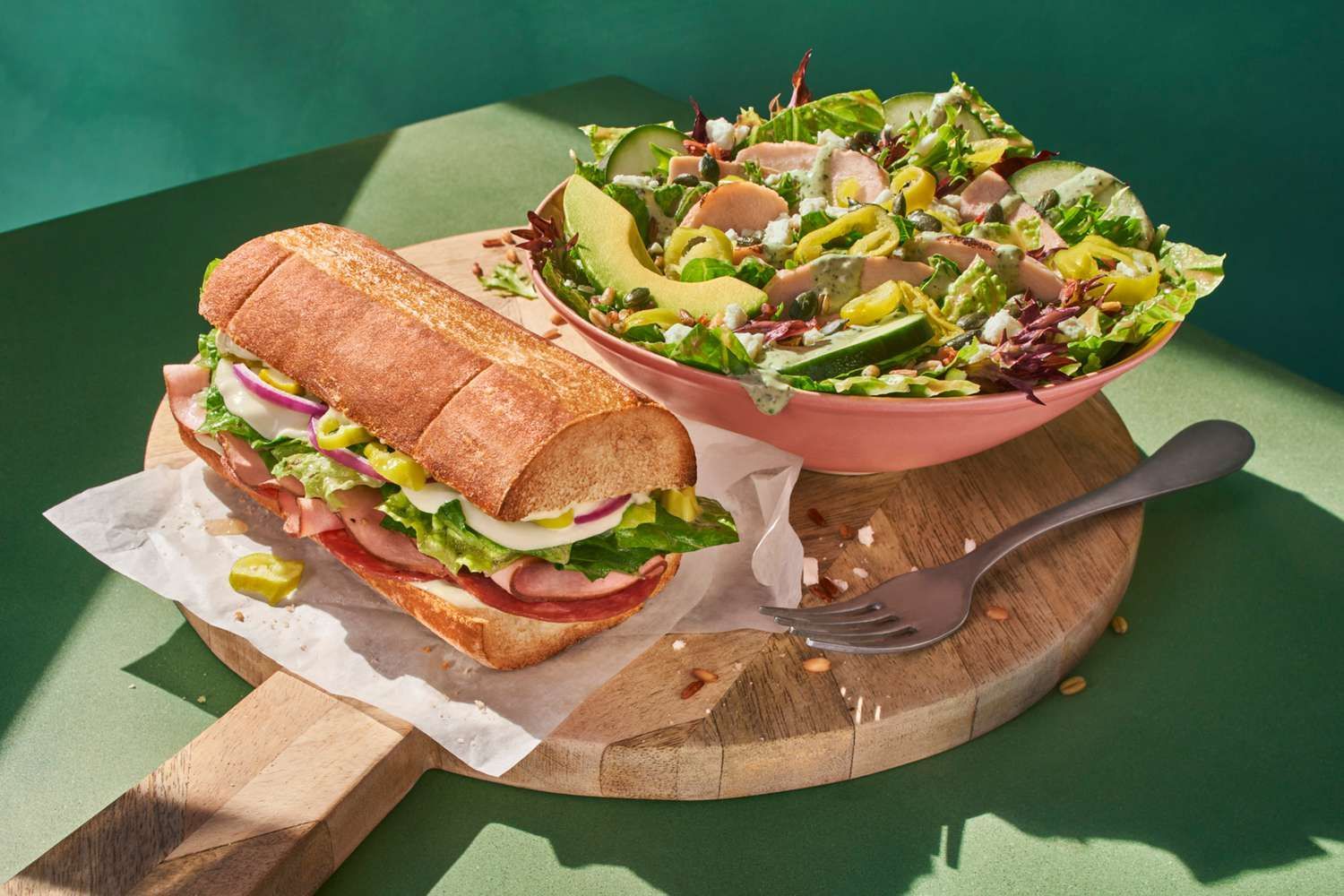
Discover the best macro-friendly Panera Bread options with healthy, high-protein meal choices to fit your nutrition goals and support your lifestyle.

💪 Learn how to build muscle and lose fat at home with the best workouts, nutrition tips, and recovery strategies. Achieve body recomposition—no gym needed!

Macronutrients are key for a vegan diet. Learn how to balance carbs, proteins, and fats to stay healthy and energized with our comprehensive guide.
Discover essential macronutrients for vegans! From carbs to proteins and fats, find out how to achieve balanced nutrition and meet your dietary needs effectively.